

Menu
Close
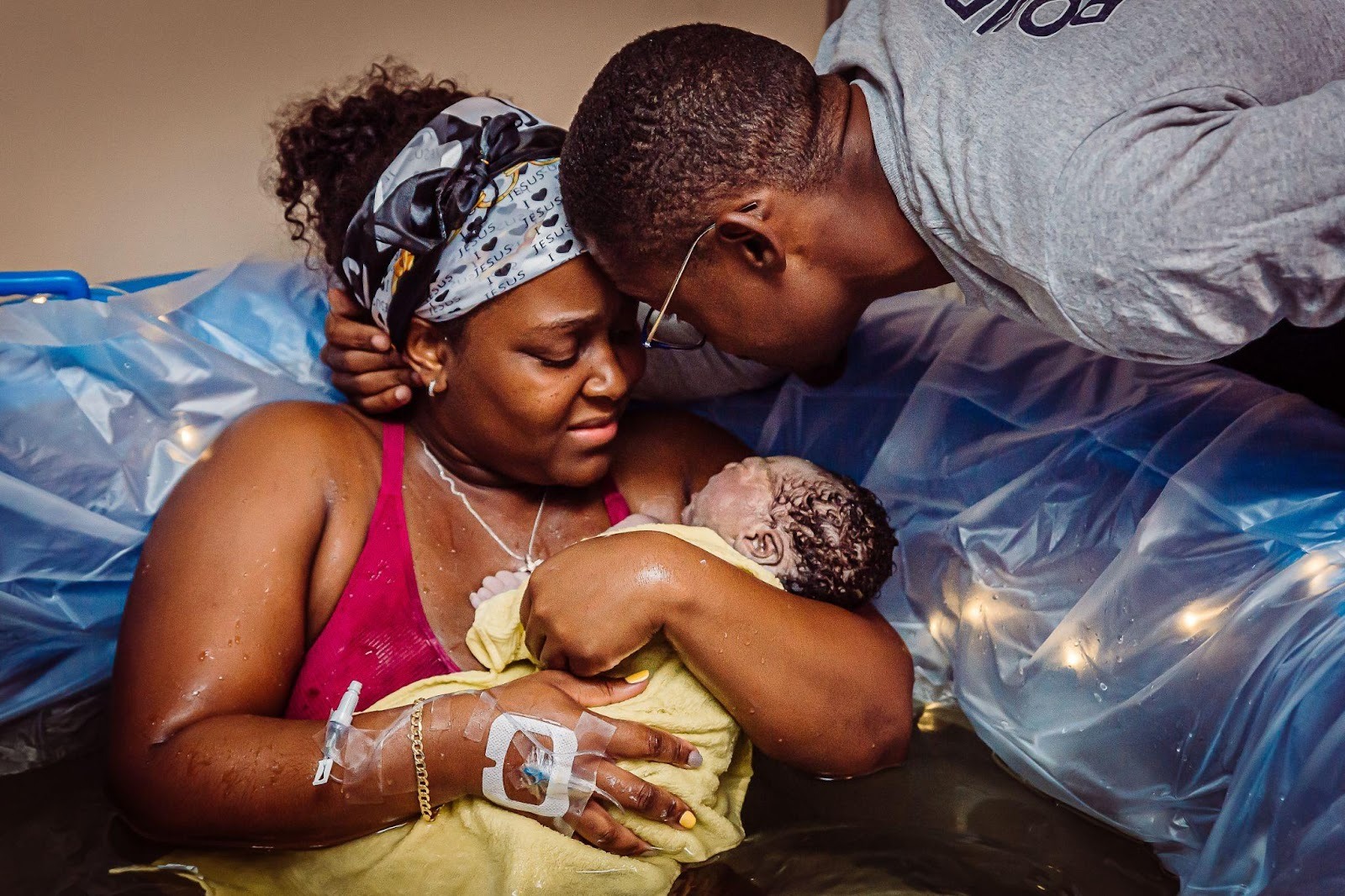
For many, it sounds clinical or cold, like birth decisions are made by checklists and statistics alone. Others assume it means following hospital protocols to the letter, without room for personal choice or intuition. The truth? Evidence-based birth care is something much deeper and more human than most hospitals or medical births.
At The Knox Birth Center, we define evidence-based care as the blending of the latest clinical research, the hands-on experience of skilled midwives, and the values and preferences of the families we serve. It means honoring what studies tell us and what your body is saying. It’s about informed decisions, not dictated ones.
The reality is that some hospitals choose policy over evidence, supporting families according to a status quo rather than following the new and ever changing evidence of science.
So let’s dive a little deeper into what we consider the three pillars. At The Knox, we believe true evidence-based care stands on more than just science, it’s also the intersection of clinical research, practitioner experience, and YOU.
First, we stay current with medical studies and best practices. Research evolves, and so does our care. From how long to delay cord clamping to what truly defines “risk,” we don’t rely on outdated protocols, we follow the data. And we help you understand it clearly so you feel completely informed in your choice.
Second, we bring in the lived wisdom and hands-on skill of our licensed midwives. Years of experience help us recognize what studies can’t always capture: nuance, timing, and the unique rhythm of each birth.
Finally and just as important is YOU. Your intuition, values, history, and goals matter. Evidence-based care means listening to your voice and making space for shared decision-making, not one-size-fits-all answers.
When all three come together, birth becomes what it was always meant to be: safe, supported, and deeply personal.
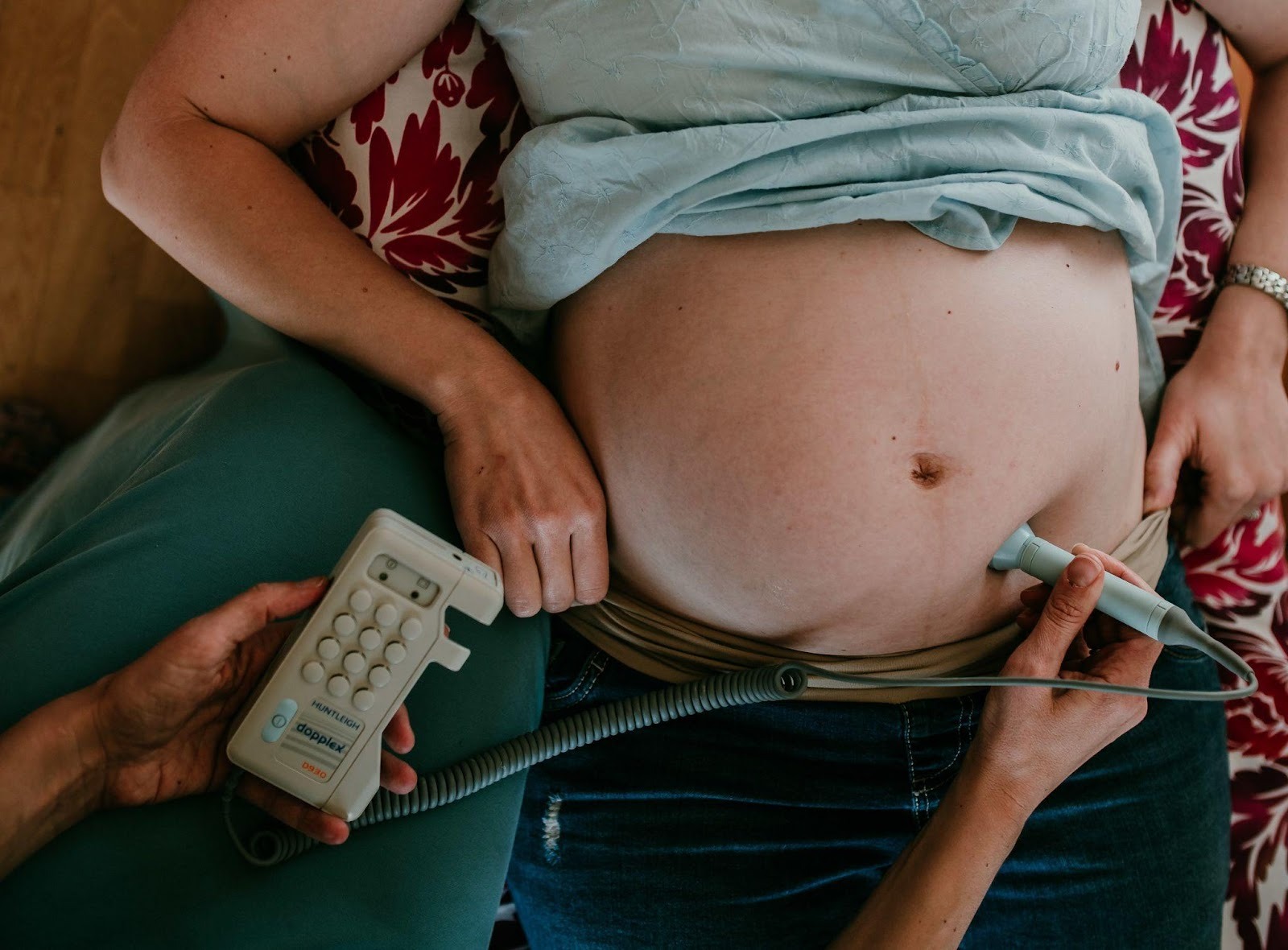
At The Knox Birth Center, evidence-based care isn’t just a philosophy, it’s how we share in decision making with you, develop your care plan, and stay in meaningful conversations with you. Our approach combines the latest research with the deep compassion and flexibility that every woman deserves. Here’s what that looks like in practice:
A mother choosing a water birth, for example, isn’t just doing it for the ambiance. Evidence shows that water during labor can ease pain, promote mobility, and shorten labor without increasing risk. We fully support this choice because it aligns with both clinical data and the mother’s comfort and instinctual movement.
When we support someone planning a VBAC (Vaginal Birth After Cesarean), we don’t lead with fear/risks, we lead with facts. We have open, informed conversations about the real risks and benefits, honoring the research that supports VBAC as a safe option for many and respecting the emotional layers of someone choosing this path.
We also know that “advanced maternal age” doesn’t automatically make someone high risk. We look at the whole picture of health, not just your birthdate, and support families in making choices based on actual health conditions not outdated data.
When it comes to breech babies, we know they can flip even late in pregnancy and sometimes during labor. While we don’t attend planned breech births at our center, our midwives are trained in emergency breech birth and recognize that breech is a variation of normal, not an emergency in itself. If baby flips head-down, we’re ready. If your goal is to encourage flipping, we’ll guide you through options like Spinning Babies, acupuncture, and ECV with our collaborative providers.
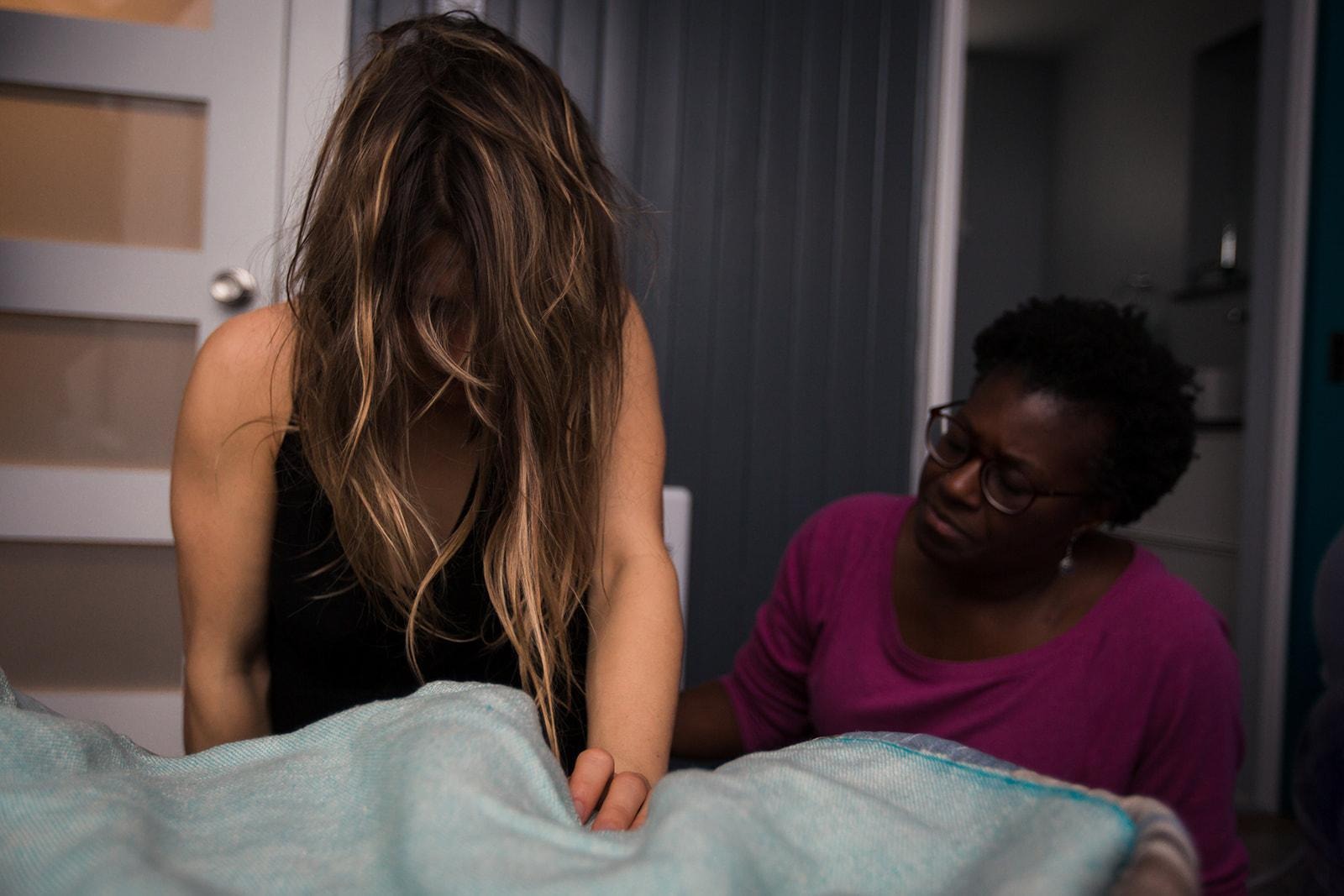
This model of care matters because when families are informed, respected, and truly supported, outcomes improve. But more than that, the experience of birth transforms. It becomes less about checking boxes and more about being seen, heard, and held through one of life’s biggest transitions.
At The Knox, we believe that evidence-based care doesn’t have to feel clinical or cold. It’s care grounded in science, yes, but also in softness, safety, and deep human connection. It’s about walking with you, not in front of you. Answering questions, not scaring you into decisions. Trusting the wisdom of your body while staying ready for whatever your birth may ask of us.

.jpeg)