Menu
Close
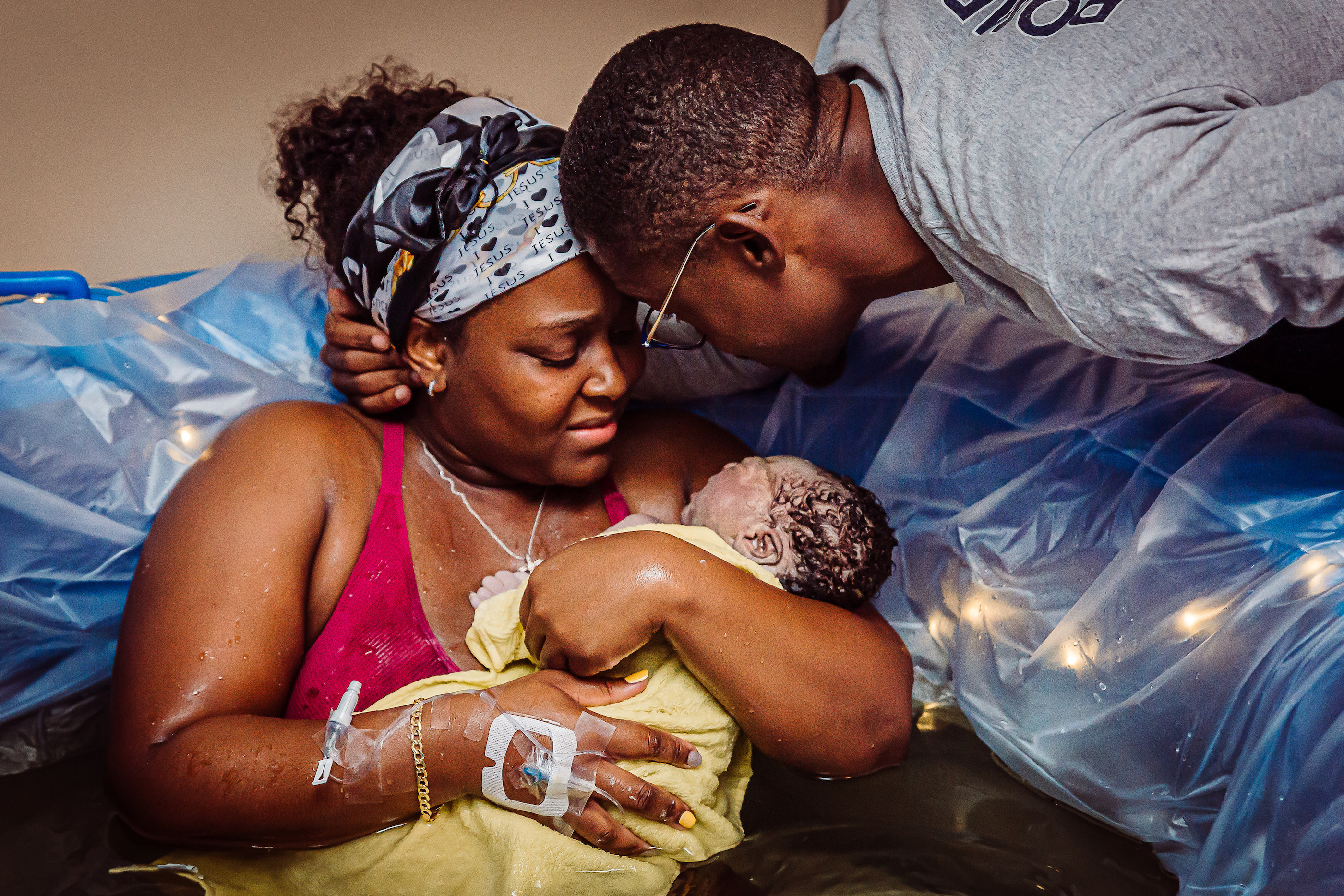
The seconds, minutes, and hours after your baby is born are truly profound. They often become a pivotal transition time for both parent and newborn. Sometimes called the “golden hour,” this period of skin-to-skin contact and quiet bonding supports regulation, connection, and healing. Research shows that uninterrupted closeness in these early hours helps stabilize baby’s temperature, heart rate, breathing, and blood sugar levels. It also helps boost mom’s oxytocin, supports breastfeeding success, and strengthens emotional bonding. By leading with care designed for your body and your baby, The Knox Birth Center honors this time with intention.

When baby is placed directly on your bare chest something will change both biologically and physiologically for you and for baby. Skin-to-skin contact helps your baby regulate breathing, heart rate, and temperature. For you, it releases oxytocin, sometimes called the “love hormone”, that supports uterine contraction, reduces bleeding, and enhances the emotional connection to your newborn. Early uninterrupted bonding also supports successful breastfeeding, when baby latches during or soon after the golden hour, that first feed often sets the tone for feeding success.
Unlike the typical hospital environment where assessments, measurements, and interventions often happen immediately, at The Knox we build the golden hour into our care model:
This approach ensures the sacredness of your first moments together while still integrating the medical care you deserve.
The benefits of honoring the golden hour extend well beyond those first hours. When you begin with connection instead of interruption, you set a tone for healing, confidence, and strong relationship. Research indicates that mothers and babies who experience early uninterrupted skin-to-skin contact feel more confident and experience better emotional outcomes, even when the birth doesn’t go exactly as planned.
Beyond that, delaying separation supports your baby’s transition into the world: less stress, fewer disruptions, and more opportunity for instinctive behavior. These natural instincts, like rooting and crawling toward the breast, are all part of how your baby adjusts, connects, and begins bonding from the very start.
To ensure the golden hour is part of your experience, here are a few steps:
At The Knox Birth Center, we build all of this into our model of care, so you won’t need to advocate for it with us. But we do recommend creating a hospital birth plan just in case of transfer.

.jpeg)